Tattoo checker — review regret, aging, and placement risk

Free Tattoo Checker Before You Book

A Second Opinion for a Permanent Decision

Upload a design, flash image, or AI concept. The tattoo checker reviews placement, readability, aging concerns, and common regret triggers, then turns them into practical questions for you and your artist.

Upload first. Sign in only when you request the AI report.

Upload-first check
Preview the flow before sign-in
No image storage
Processed then discarded
Artist-ready questions
Use the report as a planning note

Upload a tattoo idea for risk review

Planning guidance only. Ask a tattoo artist what will work on skin.

Example tattoo checks
Illustrative sample reports — not user reviews, predictions, or guarantees.
Couple tattoo: infinity + initials
Wrist / forearm (visible)
Couple tattoo: infinity + initials
9/10
The design is simple, but the initials and visible placement deserve extra thought.
  • Visible placement makes the meaning public.
  • Initials may feel different if life changes.
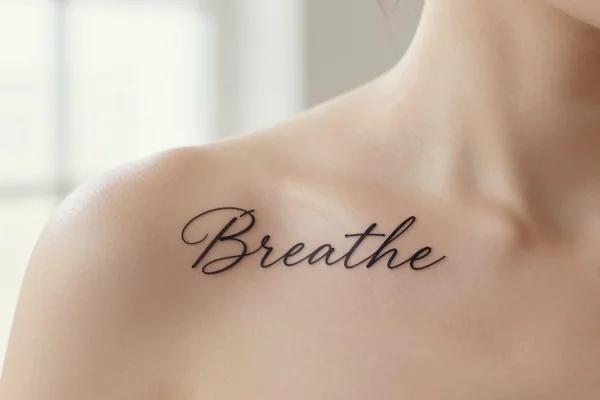
Wrist word tattoo: "Breathe"
Inner wrist
Wrist word tattoo: "Breathe"
5/10
A clear idea with two practical questions: visibility and letter spacing.
  • The inner wrist is easy to notice.
  • Small script needs enough spacing.
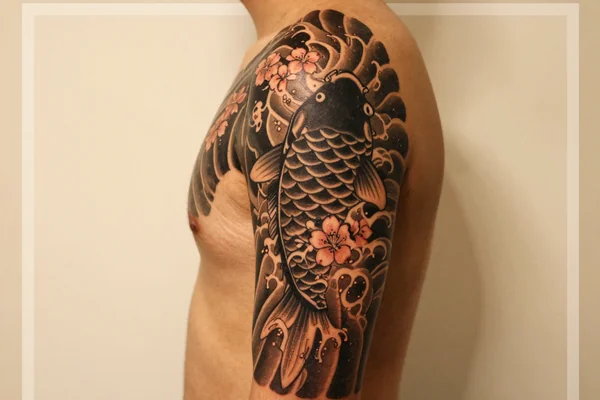
Japanese traditional: koi half-sleeve
Upper arm (half-sleeve)
Japanese traditional: koi half-sleeve
3/10
The concept suits a larger placement, but artist fit and cultural context matter.
  • Upper arm gives the composition room.
  • Bold structure supports readability.
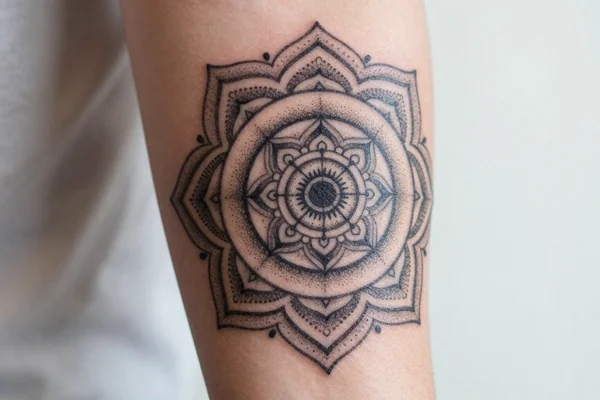
Geometric mandala (fine dotwork)
Forearm
Geometric mandala (fine dotwork)
7/10
The geometry is appealing, but tiny spacing leaves little room for change on skin.
  • Fine dotwork needs generous spacing.
  • Forearm visibility increases sun exposure.
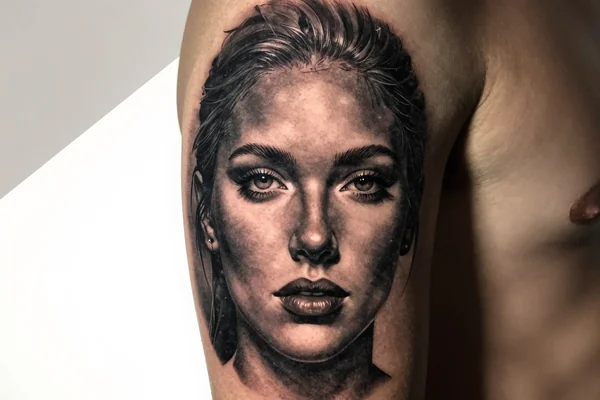
Celebrity-style portrait (generic face)
Upper arm
Celebrity-style portrait (generic face)
8/10
The portrait can be technically strong while the meaning of the subject changes.
  • Portraits need enough size for detail.
  • The subject may carry future context.
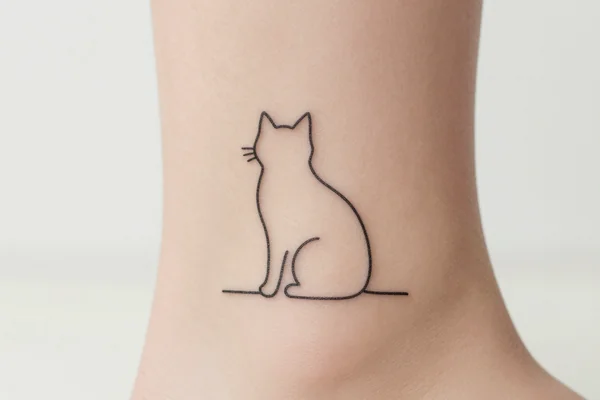
Minimal one-line cat
Ankle
Minimal one-line cat
4/10
A simple, discreet idea that still needs enough size and line weight to stay readable.
  • Discreet placement.
  • Very small lines can lose definition.
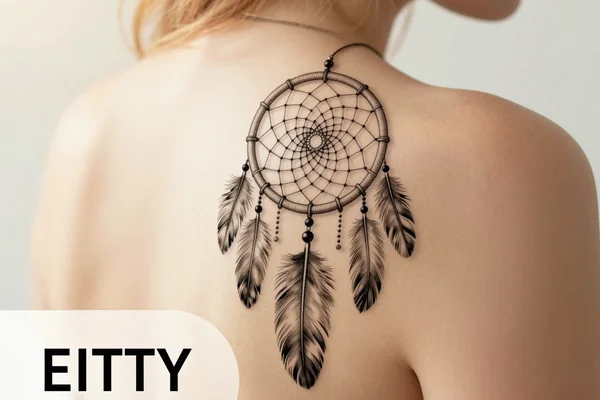
Dreamcatcher (cultural symbol)
Ribcage
Dreamcatcher (cultural symbol)
7/10
The visual idea needs a thoughtful conversation about meaning, source, and cultural context.
  • Understand the symbol before using it.
  • Rib placement changes with breathing and movement.
Drunk impulse doodle
Anywhere
Drunk impulse doodle
10/10
The main concern is the rushed decision, so the most useful next step is time.
  • Wait until the moment has passed.
  • Choose placement only when sober and clear.

What This Tattoo Checker Reviews

A strong tattoo idea has to work as more than an image on a screen. The review focuses on four questions that are useful before you pay a deposit.

Placement and visibility

Does the intended body area fit the design, the amount of visibility you want, and the maintenance you are willing to accept?

Readability and detail

Will the subject, lettering, spacing, and contrast still read at the size you want? An artist can confirm what needs simplifying.

Meaning and timing

Is the idea tied to a passing deadline, outside pressure, or a meaning that needs more thought? A pause can make the answer clearer.

Artist handoff

What should you bring to a consultation, and which questions about size, line weight, placement, and healed work should you ask?

Research to Keep the Result in Context

18.2%
of tattooed participants reported regretting one or more tattoos
2023 US study
1,072
tattooed adults answered the study's tattoo questions
Cureus study sample

Four Checks Before You Book

No checklist can promise a regret-free tattoo. These steps can help you spot questions worth resolving before the appointment.

Give the idea breathing room

Step away from sales, group pressure, and emotional deadlines. Revisit the design when the moment feels less urgent.

Test the intended size

View the design near its planned size. If text, faces, or fine detail disappear, ask an artist what should be enlarged or simplified.

Choose an artist for the style

Look for healed work in the same style, not only fresh photos. Ask how the design would change for your body area and skin.

Confirm placement and aftercare

Think about visibility, friction, sun, work, travel, and your ability to follow aftercare. Take health questions to a medical professional.

How the Tattoo Checker Works

Before You Ink turns an image and a few planning details into a clear second opinion.

  1. Upload the idea. Use a clear drawing, flash image, or reference concept.
  2. Request the review. The tattoo checker looks at placement, detail, visibility, meaning, and timing.
  3. Plan the next conversation. Keep the useful questions and ask your artist what should change before a stencil is made.

What You Get in the Tattoo Analysis

A concise report that explains the concern, why it matters, and what to ask next.

Placement fit
Visibility, movement, friction, and whether the composition suits the intended body area.
Readability and maintenance
Fine detail, spacing, contrast, and questions about how the design may need to be adapted for skin.
Meaning and timing
Possible translation, symbolism, social pressure, or timing concerns that deserve a second look.
Artist-ready questions
Practical questions about size, line weight, placement, and style that preserve your original idea.

Plan the Parts the Score Cannot Decide

Use these guides when one part of the idea still feels unresolved.

Tattoo Checker Questions

What is a tattoo checker?
A tattoo checker is a planning tool that reviews a design for placement, readability, aging concerns, and common regret triggers. It gives you a structured second opinion to discuss with a tattoo artist; it does not approve a design or predict your future feelings.
Is this tattoo checker better than asking an artist?
No. It is an earlier step. Before You Ink can help you organize concerns before a consultation, while a tattoo artist should decide what line weight, size, placement, and technique will work on real skin.
Do you keep my uploaded images?
No. Images are processed for the requested check and then discarded. We do not store, share, or use uploads to train models.
What does the tattoo analysis consider?
It looks at visual detail, line spacing, intended size and placement, visibility, likely maintenance, meaning, and timing. It cannot assess your skin, healing, allergies, or medical suitability.
Can the regret risk score predict whether I will regret a tattoo?
No. A score cannot predict a personal decision. Use it to identify the part of an idea that deserves another look, then make the final call with time, your own judgment, and an experienced artist.

Use the Result as a Planning Note

Before You Ink helps you pause and look at a tattoo idea from a few practical angles: meaning, placement, visibility, detail, and long-term maintenance. The result can help you decide whether to keep the concept, simplify it, change the size or placement, or wait.

It cannot tell you whether a design is safe to tattoo or predict how you will feel years from now. A tattoo artist should confirm what will work on skin. Questions about allergies, scarring, medication, healing, or other health concerns belong with a qualified medical professional.

Good use

Compare placement options, spot fragile detail, check spelling and meaning, and turn a vague idea into clearer questions.

Know the limit

A score is a prompt to think, not approval to book. It does not replace an artist, medical advice, or your own judgment.

Take to your artist

Bring the reference, intended body area, approximate size, and the concerns that matter most to you. Ask to see healed work in the same style.